Current Tokenization Projects are just Hobbies says Ziad El Chaar CEO of DAR Global Developer
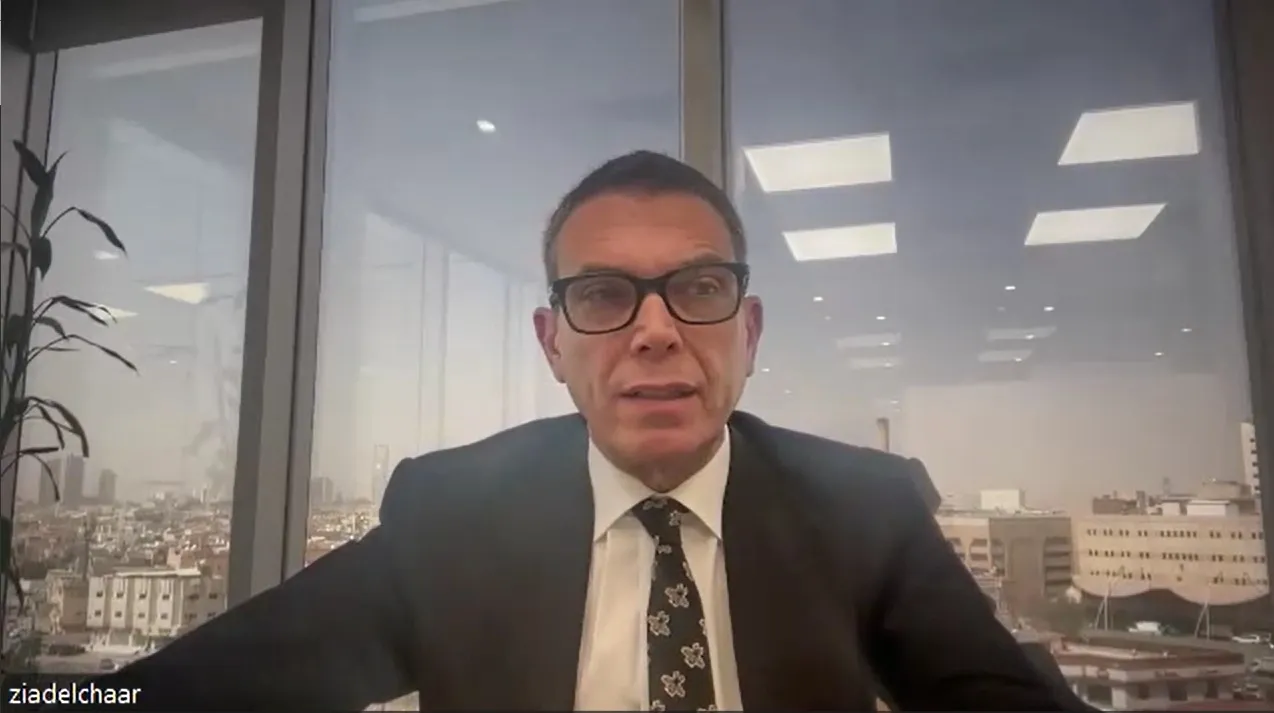
Speaking with Ziad El Chaar, CEO of Saudi Arabian Dar Global (LSE: DAR), part of Dar Global PLC, a real estate development company headquartered in Dubai and publicly listed on the London Stock Exchange, Lara on the Block received valuable insights on the topic of tokenization and what is merely as Ziad notes a hobby, except for the project that DAR Global is currently working on with Trump Group.
In his explanation of why the current tokenization projects that GCC players and global ones are undertaking fall short, he notes that most projects are taking on one part of the path, and to date regulators have not engaged heavily on this. Moreover, a majority of these projects are not producing the required value for investors, because not all the elements of tokenization process are complete.
He states, “We as a group only do what brings maximum value to customers, prospects and our people, we don’t engage in projects where we don’t see value. When I started tinkering with tokenization in 2017 and in my whitepaper, I discussed with GCC officials that if the path is not complete it won’t be a valuable path because not all the elements of tokenization are complete.”
Why is tokenization so important?
According to El Chaar, while the current tokenization projects are just hobbies, tokenization in its essence is particularly important for any illiquid asset, including lands, buildings, office space, real estate in general but also, art, commodities, and collectibles. He notes, “Tokenization when enabled provides access and liquidity. So yes, in real estate, we do need tokenization to succeed, because it makes those assets liquid and because blockchain is a trustless technology that is close to impossible to break.”
The obstacles however are impeding this. He explains, “ When we talk about breaking an asset into 1000 assets, we need to know who approves the value of the asset for those people who are buying those tokens to trust the value, when we are launching these tokens, given that they are financial products we need to adhere to very strict marketing communication, distribution guidelines, where are we taking those approvals from? Third if a tokenization project is successful and investors have bought tokens then how can they trade that token, anything not tradable is dead.”
El Chaar adds that currently, we do not have a proper exchange that is trading security tokens or assets or asset backed tokens, most of selling is on private sites. He explains that while the London Stock Exchange issued the LSE securities exchanges and NYSE is building a security tokens exchange, Switzerland was the first to operate the SDX part of the SIX exchange amidst restrictions and not much liquidity or listings. He notes, “There were only 2-3 listings on the token exchange in past years.”
What makes Dar Global’s Development tokenization in Maldives Different?
Dar Global, El Chaar says, has introduced a new way of tokenization with the complete cycle. So, while others are tokenizing apartments with yields of maximum 3%, when crypto natives can make 8% on DeFi platforms offering loans, Dar Global is tokenizing the development.
He stated, “We are a developer who bought land in the Maldives, began construction, with an expected IIR of between 16-18 percent sometimes 20 percent because hotels are doing well in the Maldives especially this one because of its location in, with no need for expensive sea planes to access it, but just a 30 minute speed boat ride.”
In the usual scenario, developers will sell shares at development stage, either getting loans from banks, then repaying the loan once the property is operational, or by creating a Fund and bringing investors into the Fund. At Dar Global, they have decided to tokenize the development and have investors who will build together, deliver together, and take annual profits once operated as well as flip the hotel in the future.
Currently he is collaborating with lawyers, crypto exchanges, and global regulators to ensure the path is set. He says “This will be a first, tokenizing at the development level enables us to provide returns so that all investors engage. Also, investors will have social benefits, being able to have a piece of the Maldives dream as owners of the hotel.”
He expects the IIR will be around 20% as he believes this is achievable. They will also pay investors while the development is being built. He explains, “During the three years of construction, instead of paying back interest to a bank loan, we will be paying this to the investors. Whatever would have been paid to banks will go to them.”
Regulators are onboard, especially since the project is a small $250 million hotel in the Maldives, small numbers, and considered as a pilot. When successful Dar Global can go big with this.
So currently the tokenization project is only for Maldives Hotel development. As for the projects in Saudi Arabia, they will not be tokenized. El Chaar explains why, “We are currently focusing on hospitality as it brings the biggest returns, the exist is clear, and there are social benefits. For the residential or commercial projects in KSA it is a different story. When you tackle a market, you want to make sure you do not disappoint these innovative investors. We have chosen a project where the permit has already been granted, and construction has started.”
Tokenization in MENA region not yet there
El Chaar believes the MENA region is still far from having a truly tokenized security asset. Currently, projects are getting stuck at valuation of token, bringing in consultants and bankers and making it a complex and expensive endeavor as if one is preparing for a $1 billion fund. He also states, “Do all customers have access to the distribution platform, where will we list tokens on what exchange, and do all investors have access to the exchange. There is much talk but not much understanding.”
As he espoused earlier, the projects are still hobbies. The tokenized fractional real estate where 100,000 fractions in apartments have been sold, where do you trade. He notes, “there is no ecosystem of trading tokenized asset backed securities, and if you want to succeed you need something like a New York Stock Exchange, with all assets on a blockchain.”
He adds, “Current Financial exchanges in the region cannot incorporate this, Binance can do it, Coinbase can do it, Kraken can do it. They have onboarded millions of customers, just as banks and brokers have onboarded traders, in short you need the base, you cannot onboard all those from the beginning, it will take 25 years.”
Banks will lose their fees, valuation consultants, as will lawyers once tokenized security exchanges are up and running. He states, “Today you can send $5 million USDT at a cost of $5 while at the bank it would cost $500, once tokenization of securities is employed you will be eating from those costs.”
He refers to a statement recently made by an official saying that tokenization is the solution for all infrastructure projects. Chaar asks, is 5% profit enough and how does an investor exit from owning a bridge?
In terms of the tokenization of Maldives development, onboarding will start very soon. He says, “The first transaction takes more time to structure, but then it becomes automatic.”
As for which crypto exchange will be utilized? He answers, “It would be what the regulator would allow.” And El Chaar is in discussion with all the big regulators globally.
The accepted crypto exchanges will be able to receive payments in stablecoins, crypto and even fiat currencies as well as onboard customers and do the necessary KYC and AML requirements.
The Future after Maldives
While El Chaar believes that Saudi Arabia’s new tokenization of property registry is an amazing feat, as it moves the registration to a trustless environment given that before they sat between manual paper and documents. While not relevant to Dar Global project, having a registry of a property on a blockchain is advantageous, as it makes title deeds accessible and tamper proof.
As for the Maldives Hotel development tokenization pilot, once and if it succeeds, Chaar believes that they would have enabled a bigger number of investors to engage with developers. He explains, “Reputable developers will be able to do more projects fueled by crypto investors, because they are a transparent developer who have equipped themselves for tokenized investments.”
For El Chaar it doesn’t matter if crypto markets are up and down, for him it is the crypto ecosystem that has been around since 2009, attracting trillions of dollars that is important, because as he says, “They have shown the world a new way of moving money.”